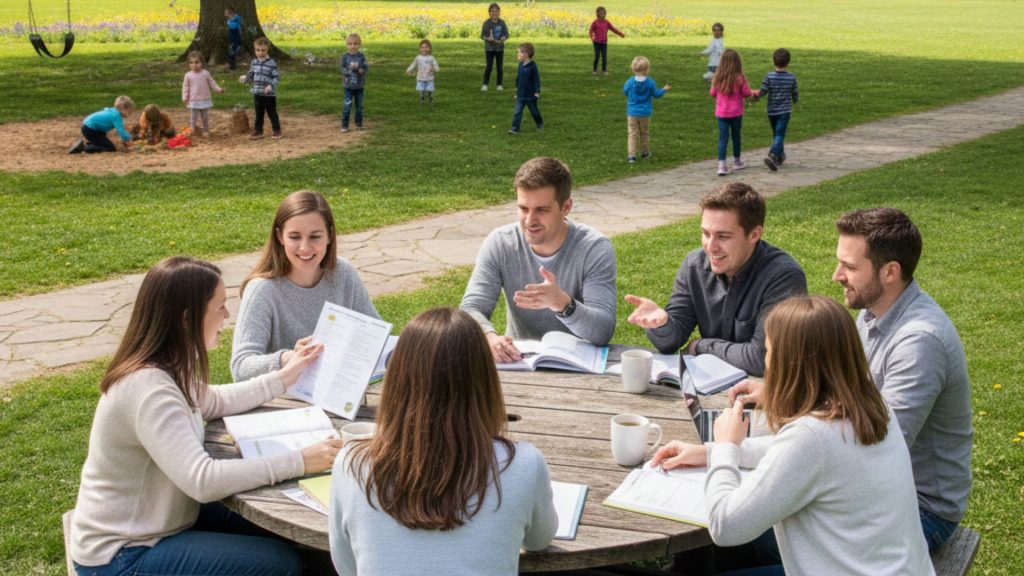
Homeschooling is deeply rewarding—but it can also feel overwhelming when you’re trying to figure out curriculum choices, learning styles, legal requirements, and day-to-day routines on your own. That’s where homeschool support groups become invaluable. They bridge the gap between isolation and community, offering a network of encouragement, resources, and shared experience. Understanding the role of homeschool support groups can be a turning point in your family’s homeschooling journey.
Why Homeschool Support Groups Matter
Homeschool support groups do far more than organise occasional meetups. They act as a vital ecosystem for both parents and children—one that provides connection, structure, and perspective. Whether you’re brand new to homeschooling or have been teaching at home for years, these communities can make your experience smoother and more enriching.
The role of homeschool support groups
Let’s take a closer look at the real, practical roles these groups play—and why many families consider them the backbone of a successful homeschooling lifestyle.
1. Emotional Support and Parent Connection
Homeschooling can feel lonely, especially when friends or extended family don’t fully understand your decision. Homeschool support groups provide a safe space where parents can talk openly about challenges, wins, doubts, burnout, and breakthroughs.
This kind of emotional support goes beyond venting. It helps you:
- Normalise the ups and downs of homeschooling
- Hear how other families solve similar problems
- Gain reassurance that you’re meeting your child’s needs
- Reduce the mental load that often falls on the primary parent-educator
Many groups also run parent-only coffee mornings, support circles, or workshops on topics like burnout prevention or developing learning routines. These connections can be the lifeline that keeps you motivated through tougher seasons.
2. Guidance From Experienced Homeschoolers
Most groups include veteran homeschooling parents who’ve navigated curriculum changes, NESA/ACARA requirements, learning challenges, teens transitioning to tertiary education, and everything in between. Their advice—from practical timetabling tips to how to prepare documentation for state regulators—can save you countless hours and headaches.
3. Social Opportunities for Children
One of the biggest misconceptions about homeschooling is that children miss out socially. Support groups counter this entirely. Through group activities, park days, sports, excursions, and co-op classes, kids learn teamwork, communication, and social skills just as they would in a school environment—often in more diverse age groups, which can be healthier and more natural.
4. Access to Co-ops, Workshops, and Shared Learning
Many support groups run educational co-ops where parents share teaching responsibilities. These might include science experiments, art classes, STEM days, book clubs, or group projects that are easier and more fun when done collectively. This shared learning builds variety into your week and exposes your children to different teaching styles.
5. Localised Advice for Your State
Homeschooling requirements differ across Australia—Victoria, NSW, Queensland, WA, ACT, NT, SA, and Tasmania all hHomeschooling requirements in Australia vary widely depending on where you live. Each state and territory—NSW, Victoria, Queensland, WA, SA, Tasmania, ACT, and NT—has its own registration expectations, documentation standards, and review processes.
Local homeschool support groups offer targeted help such as:
- Step-by-step guides for registration
- Examples of learning plans that meet your state’s criteria
- Tips for preparing for home visits or reviews
- Recommendations for curriculum aligned to state frameworks
- Information on local homeschooling events, co-ops, and communities
For new families, this assistance removes guesswork and ensures you feel confident and compliant from the beginning.
6. Curriculum Recommendations and Resource Sharing
Choosing a curriculum can feel like navigating a maze. With so many options—Euka, Simply Homeschool, ACHS, Montessori, Charlotte Mason, unschooling, traditional workbooks, or DIY learning—it’s easy to feel overwhelmed.
Homeschool support groups help you make informed decisions through:
- Honest reviews of curriculum programs
- Discussions about learning styles (visual, auditory, kinesthetic, etc.)
- Buy/sell groups for second-hand materials
- Book swaps and resource libraries
- Recommendations based on your child’s strengths and challenges
These insights save you money, prevent curriculum overload, and help you avoid trial-and-error choices.
7. Events, Excursions, and Community Activities
Support groups often coordinate group discounts for excursions, camps, museum visits, zoo days, robotics labs, and more. This not only enriches learning but also helps homeschooling feel more dynamic and adventurous.
8. Accountability and Motivation
It’s easy to feel flat or disorganised some weeks. Regular meetups, shared goals, and check-ins can help keep you motivated and provide gentle accountability. Sometimes just hearing what another family is working on reignites your own enthusiasm.
9. A Sense of Belonging
Beyond academics and logistics, the biggest advantage is belonging. A good homeschool support group becomes your tribe—people who understand the lifestyle, respect your choices, and celebrate your child’s growth alongside you.
Final Thoughts
The role of homeschool support groups cannot be overstated. They offer emotional support, social enrichment, practical guidance, and a sense of community that strengthens your entire homeschooling experience. Whether you’re just exploring homeschooling or you’re already deep into your journey, connecting with the right support group can make everything more sustainable, joyful, and successful.
If you’d like help finding support groups near you or want guidance on crafting a tailored homeschooling plan, contact us. We’re here to support you every step of the way.